
Rubber Flooring Rolls: A Practical Guide for Projects
Rubber flooring rolls can provide broad floor coverage with fewer joints than modular tiles, making them relevant to selected gyms, training areas, sports facilities and commercial projects.
This guide explains what buyers should consider before ordering: application, floor area, roll layout, specification, substrate, installation requirements and commercial quantity.
For available product enquiries, Al-Shiekh Trade & Export receives requirements for projects in Egypt and international export orders.
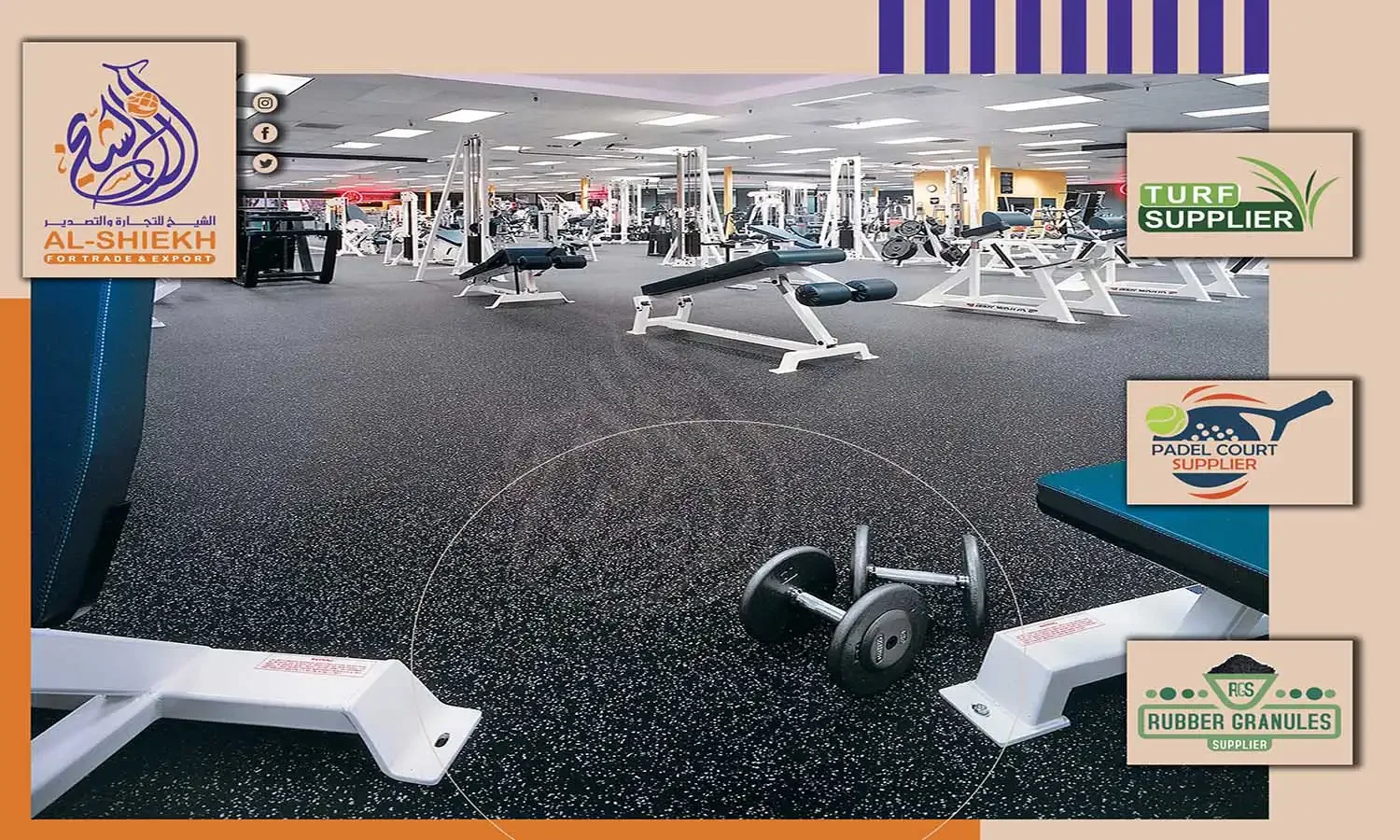
Four Questions to Answer Before Choosing Rubber Flooring Rolls
A useful flooring enquiry starts with the project itself. These four questions help define the requirement before comparing products or requesting a quotation.
Where Will It Be Used?
Identify whether the flooring is for a gym, functional-training area, sports facility, circulation space or another suitable application.
How Large Is the Area?
Measure the total floor area and note the dimensions of the space so the quantity and roll layout can be reviewed.
What Will the Floor Face?
Consider equipment, expected traffic, loads, training activities and other operating conditions.
What Is Under the Rubber?
Identify the existing substrate and its condition because the base can affect preparation and installation.
When Does Roll Flooring Fit the Project?
Rubber rolls are supplied in continuous lengths rather than individual flooring units. This format can be useful when the project benefits from broader coverage and fewer joints across the finished surface.
- Gyms and fitness areas requiring broad rubber-floor coverage.
- Functional-training areas where the roll format suits the floor layout.
- Selected sports-facility areas requiring continuous rubber flooring.
- Commercial spaces where the product specification matches the expected use.
The roll format alone does not determine suitability. Thickness, material composition, density, dimensions, expected loads and the condition of the existing floor should also be considered.
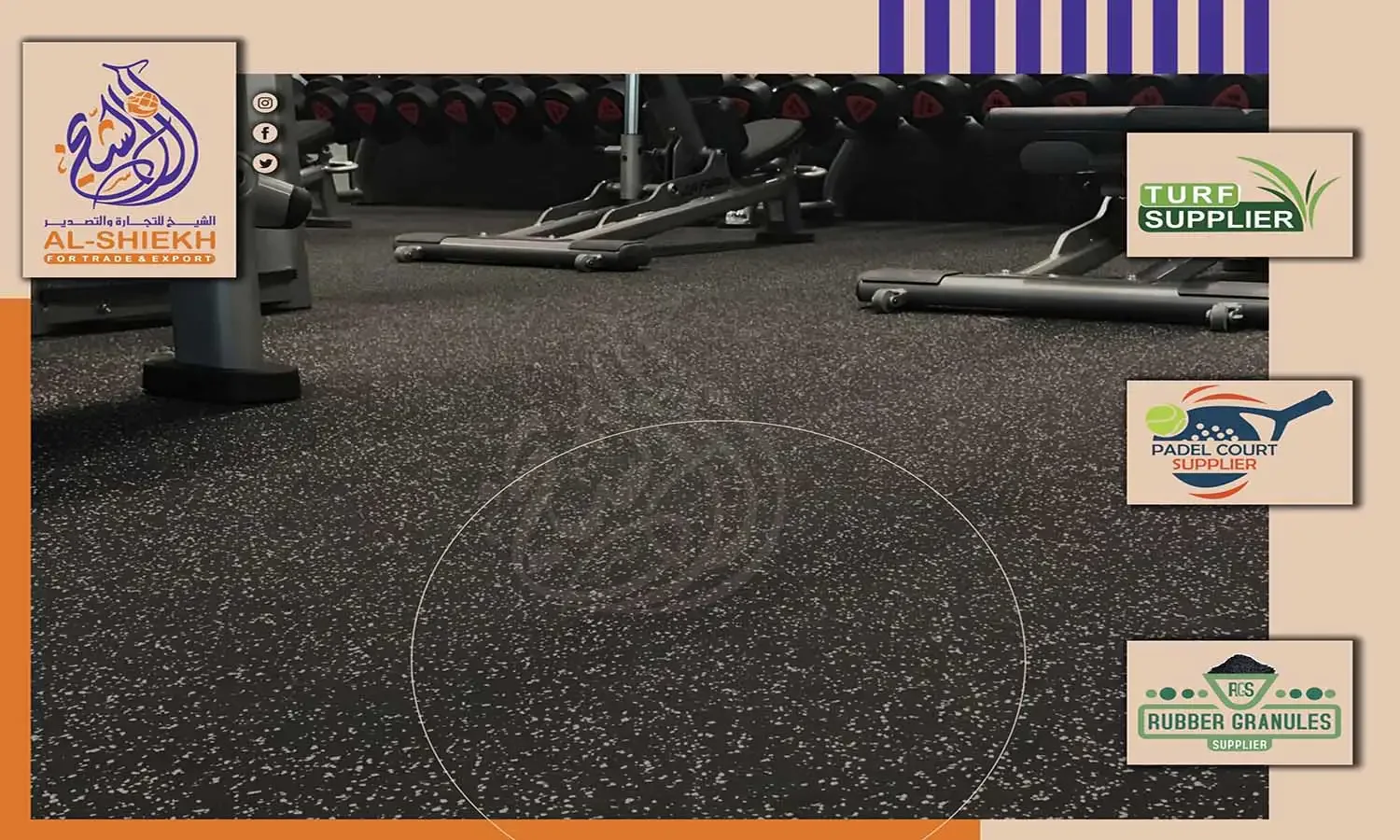
How to Plan the Quantity of Rubber Roll Flooring
The total square-metre area is important, but quantity planning should also consider the shape and dimensions of the floor. Roll direction, cuts and the layout of the space can affect how the material is used.
Measure the Area
Record the length and width of the required flooring spaces and calculate the approximate total area.
Review the Layout
Note columns, fixed equipment, irregular shapes, doorways and other features that may affect the flooring layout.
Confirm Roll Dimensions
The actual roll dimensions should be confirmed for the selected product before final quantity planning.
Plan Cuts & Seams
Consider how rolls will be positioned and cut instead of relying only on the theoretical floor area.
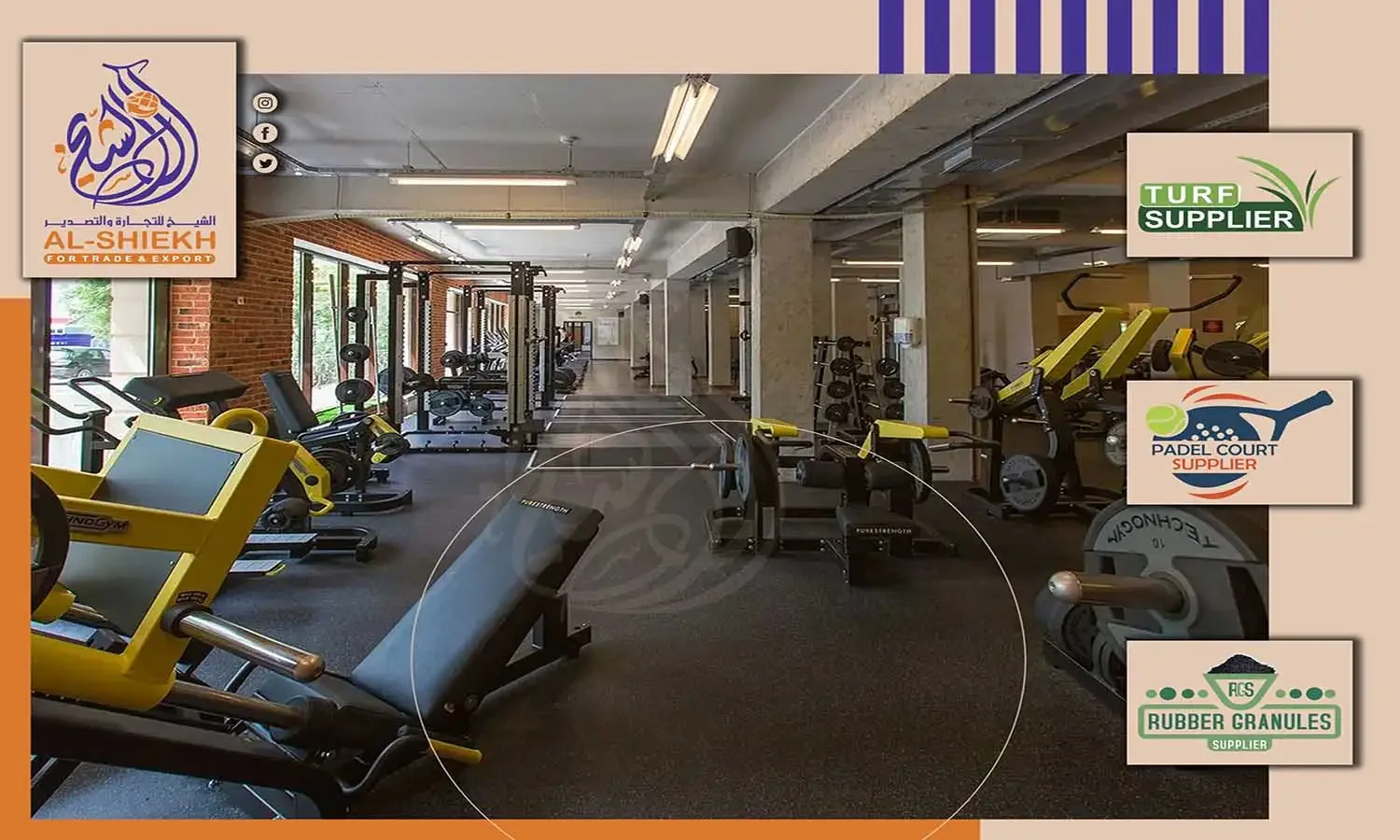
Do Not Treat Every Gym Area as the Same Floor
A gym can contain several operating environments. The flooring requirement should reflect what actually happens in each area rather than automatically applying one specification throughout the facility.

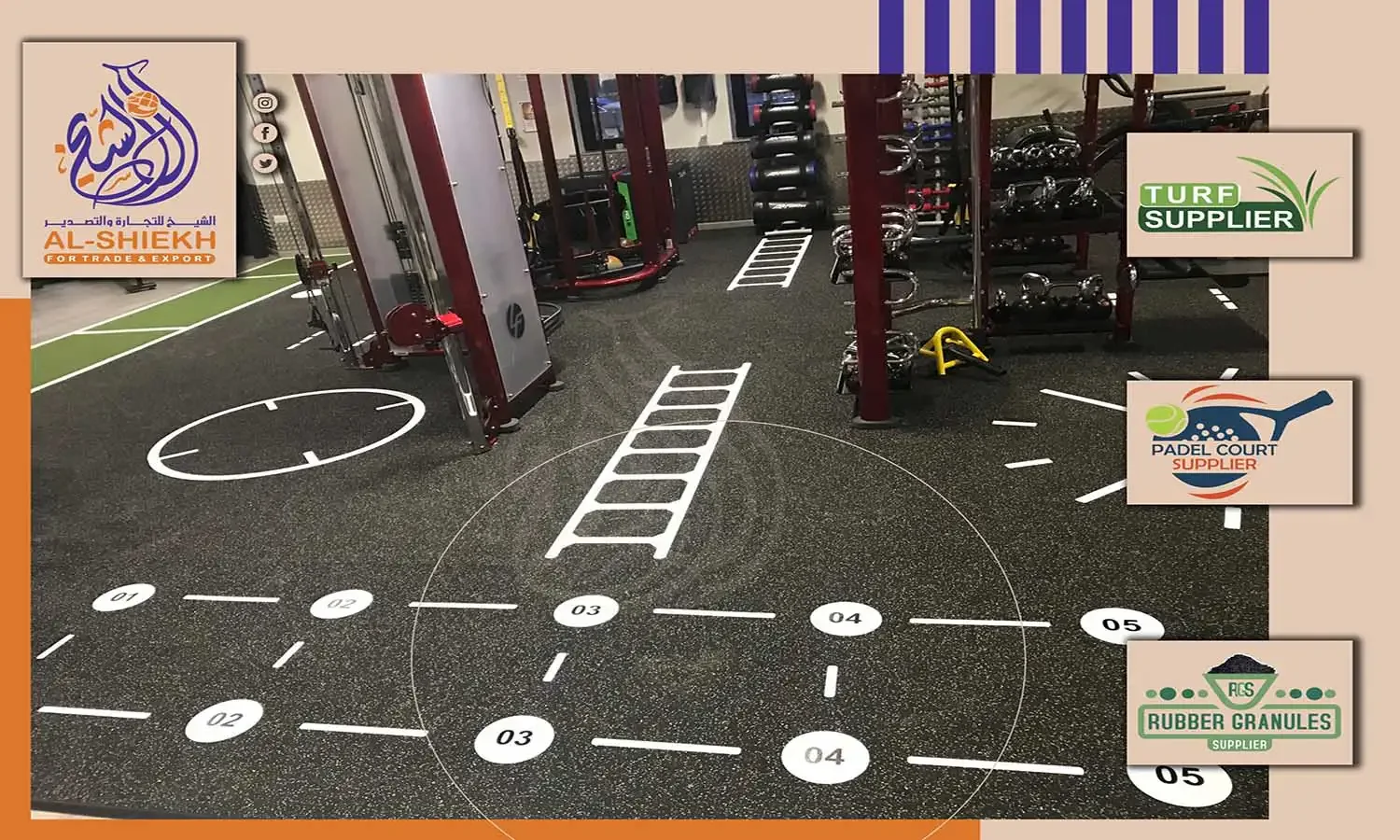
Open Training Areas
Review movement, equipment and training activities before selecting the flooring specification.
Machine Areas
Consider the equipment footprint, loads and the condition of the supporting floor.
Movement Areas
Traffic and the connection between different gym zones should be included in the overall flooring plan.
Weight Areas
Areas exposed to heavier loads or repeated impact should be assessed separately from general training zones.
Rubber Flooring Rolls vs Rubber Tiles
Both are rubber-flooring formats, but the project layout and operational requirements can make one format more suitable than the other.
| Consideration | Rubber Rolls | Rubber Tiles |
|---|---|---|
| Floor Format | Continuous lengths of rubber flooring | Individual modular flooring units |
| Large Areas | Can provide broader coverage with fewer joints | Creates a modular grid across the area |
| Individual Sections | Operates as a more continuous flooring surface | Individual sections can be easier to access separately |
| Layout | Roll direction and seams should be planned around the floor | Tile dimensions and arrangement should be planned around the area |
| Final Choice | Choose according to the application, loads, project layout, substrate, maintenance requirements and selected product specification. | |
For product-level information about modular flooring, visit Rubber Tiles. For the main roll product page, continue to Rubber Rolls.
What Should Be Specified Before Buying?
Do not rely on a generic thickness recommendation alone. A commercial rubber-flooring requirement is clearer when the specification reflects the intended application and operating conditions.
- Required thickness, if already defined.
- Roll dimensions for the selected product.
- Material composition and product characteristics.
- Expected traffic, equipment and loads.
- Total floor area and site layout.
- Existing substrate and installation conditions.
- Color or surface requirement when relevant.
- BOQ or consultant specification when available.
Preparing the Floor for Rubber Rolls
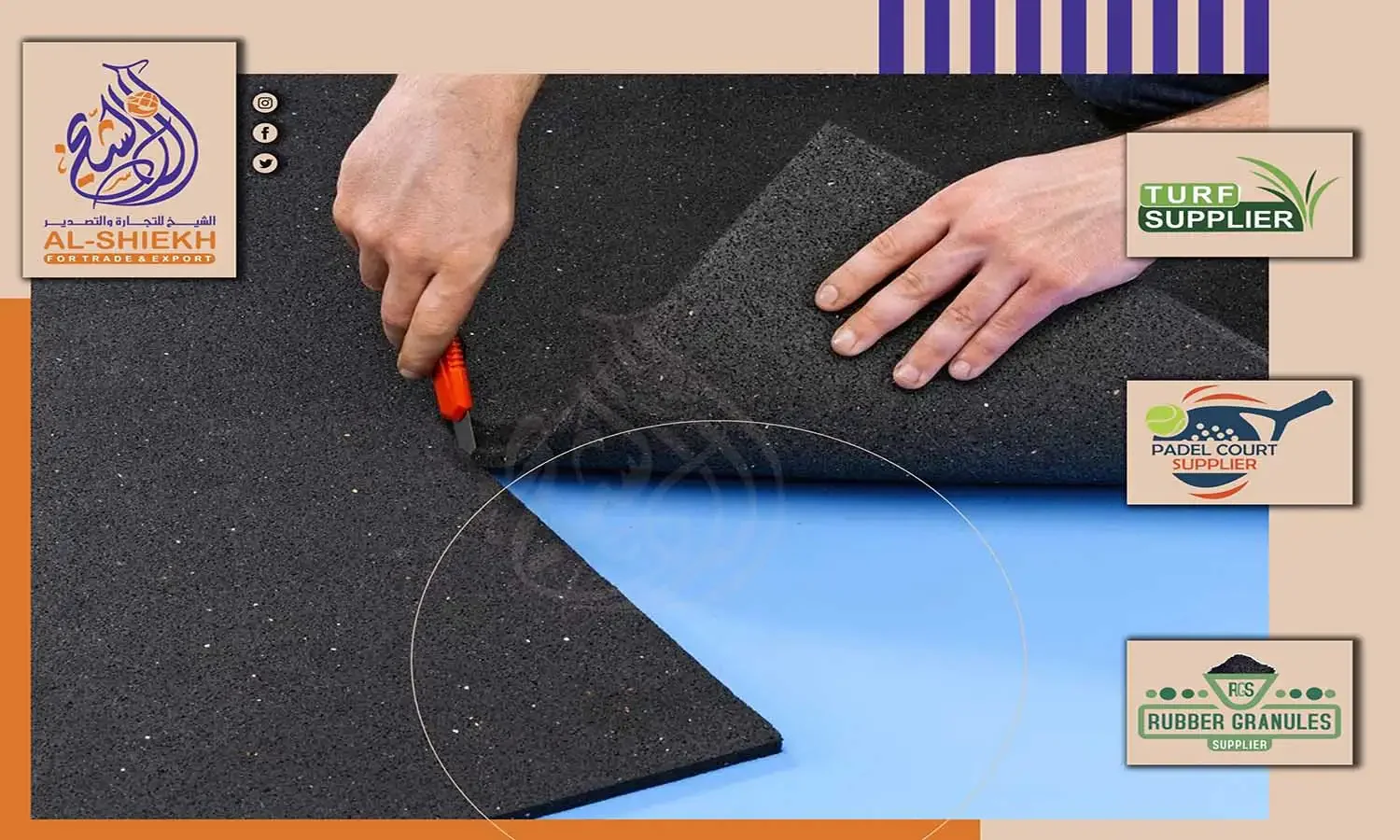
The condition of the underlying floor can influence the appearance and stability of the finished rubber surface. Preparation should therefore be considered before the rolls are cut and installed.
- Inspect the existing floor and identify irregularities.
- Prepare a clean and suitable substrate for the selected system.
- Plan the direction in which the rolls will be laid.
- Plan seams before final cutting and positioning.
- Prepare corners, edges and transitions around the actual site layout.
- Follow the installation requirements of the selected product.
Information That Helps Build a Useful Rubber Roll Quote
The quotation should be based on the actual project and product requirement rather than only asking for a generic price per square metre.
| Information | What to Send |
|---|---|
| Application | Gym, training area, sports facility or other intended use |
| Required Area | Approximate total square metres and floor dimensions where available |
| Specification | Required thickness, dimensions and other technical requirements when known |
| Operating Conditions | Equipment, expected loads and relevant usage information |
| Subfloor | Existing floor type and condition where relevant |
| Project Location | City or governorate for projects in Egypt |
| Export Destination | Destination country and port when known for international orders |
| Documents | BOQ, drawings, technical data or consultant specifications when available |
Why Rubber Flooring Roll Prices Can Differ
Two quotations for rubber flooring rolls may not represent the same product. Price should therefore be compared together with the actual specification.
Product Specification
Different thickness requirements can change the product and material requirement.
Material
Rubber flooring products can differ in composition and characteristics according to the intended application.
Project Area
The required commercial quantity forms part of the quotation and supply planning.
Egypt or Export
Local project delivery and international export requirements are reviewed separately.
Rubber Flooring Rolls for Projects in Egypt and Export
Al-Shiekh Trade & Export receives commercial rubber-flooring enquiries for projects in Egypt and international buyers sourcing rubber rolls from Egypt.
Local Project Requirements
Send the project location, approximate area, application and technical requirements for projects inside Egypt.
Export Requirements
Send the product specification, commercial quantity and destination country for international supply enquiries.
BOQ & Drawings
Contractors and project buyers can include available drawings, BOQs and consultant requirements.
International Orders
Shipment requirements are reviewed according to the product, quantity and destination of the commercial order.
Find the Right Rubber Product for Your Project
Explore the relevant product according to the floor format, application or material requirement.
Rubber Flooring Rolls FAQ
What are rubber flooring rolls?
Rubber flooring rolls are rubber flooring products supplied in continuous lengths and cut to suit the required area. Their roll format can provide broader coverage with fewer joints than modular tiles.
Where can rubber flooring rolls be used?
Depending on the selected product and specification, rubber rolls can be considered for gyms, training areas, selected sports facilities and other suitable commercial flooring applications.
Are rubber rolls better than rubber tiles?
Neither format is automatically better. Rolls provide more continuous coverage with fewer joints, while tiles provide a modular flooring format. The suitable choice depends on the project layout, use, substrate and flooring requirements.
How do I calculate the quantity of rubber flooring rolls?
Start with the total floor area and dimensions, then consider the selected roll dimensions, roll direction, seams, cuts and irregular parts of the layout before confirming the final quantity.
What thickness of rubber flooring roll should I choose?
There is no single thickness suitable for every project. Selection depends on the intended application, expected loads, equipment, product specification and existing substrate.
Can I request rubber flooring rolls for a project in Egypt?
Yes. Send the project location, approximate area, intended use and available technical requirements for a commercial enquiry in Egypt.
Can rubber flooring rolls be supplied for export?
Yes. International buyers can send the required product specification, quantity and destination country to Al-Shiekh Trade & Export for an export supply enquiry.
Planning a Rubber Flooring Roll Project?
Send the intended application, approximate area, technical specification when available and project location. International buyers should also include the required commercial quantity and destination country.