Trips to the Grand Egyptian Museum: Complete 2026 Guide
Plan a rewarding visit to Egypt’s monumental new museum with clear advice on tickets, galleries, Tutankhamun, transport from Cairo, private guiding, and the best way to combine GEM with the Giza Pyramids.
What is the best way to plan trips to the Grand Egyptian Museum?
The best trips to the Grand Egyptian Museum reserve a timed ticket in advance, allow at least three to four hours inside, and organize the visit around a few priorities rather than attempting to inspect every object. Begin with the Grand Hall and colossal statue of Ramesses II, continue through the Grand Staircase and Main Galleries, dedicate focused time to the Tutankhamun Galleries, and include Khufu’s Boats Museum when your ticket and schedule allow.
For first-time visitors, a private guide adds the story that connects objects spread across thousands of years. A full day can combine the museum with the Giza Pyramids because both attractions are in the same broad area, but the itinerary must start early and avoid unnecessary shopping or city crossings. Opening hours, ticket categories, and special exhibitions can change, so use the official GEM ticketing website close to your travel date.
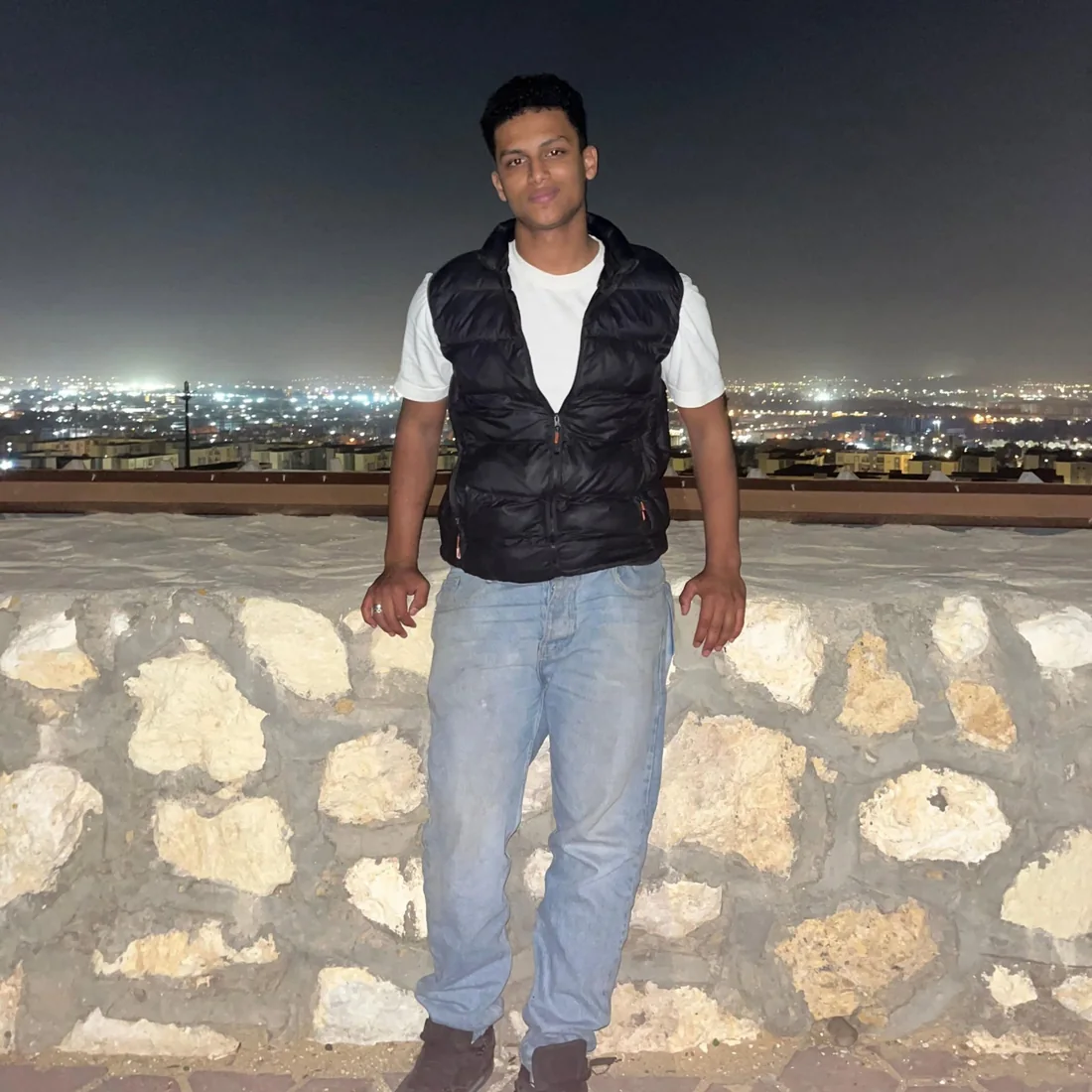
Discover the Grand Egyptian Museum with Seif Hassan
Seif Hassan is the tour guide presented by Akhet Travel for private cultural journeys in Egypt. His experience with travelers helps him transform an enormous museum into a clear, memorable narrative. Instead of rushing from case to case, Seif links kings, beliefs, daily life, artistic choices, and burial traditions so that every gallery contributes to the larger story.
He adapts the visit to the guest. First-time travelers receive an accessible chronological framework. Families receive a visual route with breaks and engaging explanations. History enthusiasts can spend longer with kingship, funerary belief, craftsmanship, or the objects of Tutankhamun. Seif also helps manage timing, meeting points, photography interests, and the transition between the museum and Giza Plateau.
His approach is conversational rather than a memorized lecture. Guests can ask questions, compare museum objects with monuments they have seen, and focus on the collections that matter most to them. The result is a personal museum experience rather than an exhausting walk through thousands of labels.
Why the Grand Egyptian Museum deserves more than a quick stop
The Grand Egyptian Museum is not simply a larger replacement for an older display. Its location near the Giza Plateau, monumental architecture, chronological galleries, conservation work, and scale create a different kind of encounter with ancient Egypt. The building introduces visitors through an exterior landscape and vast entrance sequence before the collections unfold across the galleries.
Official tourism information describes GEM as the world’s largest museum dedicated to a single civilization. The museum brings together objects from prehistoric Egypt through the Roman era and organizes the Main Galleries around chronological periods and themes including kingship, society, and beliefs. This structure helps visitors understand how political authority, daily life, religious practice, death, and artistic production changed across millennia.
The experience begins before the main galleries. The suspended obelisk creates a dramatic approach, while the Grand Hall introduces the colossal statue of Ramesses II. The Grand Staircase uses monumental sculpture and architectural views to connect the visitor with royal scale. These spaces are not corridors to be crossed as quickly as possible; they establish the visual language of the museum.
A good Grand Egyptian Museum tour balances spectacle with human detail. Colossal kings reveal authority, but small tools, jewelry, furniture, food containers, clothing, and personal possessions reveal lived experience. The most memorable route moves between both scales. It also accepts that no visitor can absorb every object in one day.
What you can see on a Grand Egyptian Museum tour
Grand Hall
Meet the colossal statue of Ramesses II and orient yourself within the museum’s monumental entrance space.
Grand Staircase
Royal sculptures and architectural views create a dramatic transition toward the permanent galleries.
Main Galleries
Twelve curated halls explore Egyptian history through chronology and the connected themes of society, kingship, and beliefs.
Tutankhamun Galleries
Objects from the young king’s tomb are presented together to reconstruct his life, burial, and afterlife.
Khufu’s Boats Museum
Discover the royal boats found near the Great Pyramid, their construction, conservation, and possible meanings.
Gardens and public spaces
The complex includes exterior and visitor areas that need time beyond the gallery route itself.
The official ticketing website currently states that a standard visit includes the Tutankhamun Galleries, Main Galleries, Grand Hall, Grand Stairs, Khufu’s Boats Museum, commercial area, and exterior gardens. Nevertheless, special experiences or exhibitions may follow separate booking rules. Confirm the exact inclusion shown in your selected ticket rather than assuming that every event inside the complex is part of general admission.
The most efficient route depends on the time of entry and the collections you value. Visitors arriving at opening can begin with their highest priority before energy declines. Others prefer a chronological route through the Main Galleries before reaching Tutankhamun. A private guide can adapt the order to crowd flow and current access while preserving a logical narrative.


How to experience the Tutankhamun Galleries without rushing
The Tutankhamun Galleries are a central reason many visitors plan trips to the Grand Egyptian Museum. Official museum information presents the collection as a journey through the discovery and contents of the king’s tomb. More than royal splendor is involved. Ceremonial objects sit alongside jewelry, garments, furniture, vessels, transport equipment, weapons, food-related objects, and intimate possessions connected with life and afterlife.
Begin with a simple historical framework. Tutankhamun became king during a period of religious and political change, ruled for a relatively short time, and died young. His modern fame owes much to the unusually rich survival of his burial equipment and the discovery of the tomb in 1922. The collection is therefore both an ancient royal archive and a major chapter in the history of archaeology.
Do not judge the galleries only by a few famous masterpieces. The power of the display comes from relationships: storage boxes and the objects they protected, chariots and the life they imply, jewelry and its symbols, nested burial equipment, ritual figures, furniture, clothing, and items prepared for eternity. A guide can select representative pieces so that the collection remains intelligible rather than overwhelming.
Photography can easily dominate the visit. Pause before raising the phone. Look at material, scale, technique, wear, and tiny details. Read or hear the object’s role, then take a limited number of purposeful photographs if rules allow. This approach creates stronger memories than hundreds of nearly identical case reflections.
Main Galleries, Grand Hall, and Grand Staircase
The Main Galleries cover a vast chronological range, from prehistoric periods to the Roman era. They also use themes—kingship, society, and beliefs—to prevent history from becoming a list of dynasties. This allows visitors to compare how rulers represented authority, how people worked and lived, and how religious ideas shaped temples, burial, and art.
A chronological route is helpful for first-time visitors because it provides a mental map. Early objects demonstrate the development of communities, artistic conventions, writing, and political organization. Old Kingdom displays connect naturally with Giza and Saqqara. Middle and New Kingdom collections reveal changing power, temples, international connections, artistic forms, and beliefs. Later periods show continuity and adaptation rather than a simple decline narrative.
The Grand Hall and Grand Staircase work at another scale. Ramesses II dominates the entrance experience, while royal statues and architectural framing build a ceremonial procession. Ask your guide to explain posture, crowns, inscriptions, materials, and the political message of monumental sculpture. These details turn “a very large statue” into a deliberate statement of kingship.
Visitors often become tired because they give equal attention to every case. Use a three-level strategy: a few must-see objects receive close attention, supporting objects receive concise explanation, and transitional displays provide visual continuity. This protects concentration for the collections you care about most.
Why Khufu’s Boats Museum belongs in your itinerary
Official Egyptian tourism information describes the museum as presenting two royal boats discovered near the Great Pyramid in 1954. One was reconstructed, while conservation of the second provides another dimension to the story. The display explores construction, possible uses, Nile travel, excavation, and modern preservation.
The boats create a powerful bridge between museum and landscape. At Giza, visitors see the monumental stone pyramid and the pits associated with royal boats. Inside GEM, the wooden vessel reveals an entirely different technical tradition. Joinery, rope, timber, shape, and assembly demonstrate sophisticated knowledge that stone monuments alone cannot communicate.
Scholars have discussed practical and symbolic interpretations of royal boats, including royal movement, funerary ritual, and solar ideas. A responsible guide distinguishes evidence from speculation. The most important lesson is that ancient Egyptian royal burial involved a complete ritual world rather than a stone chamber filled with treasure.
Allow enough time to appreciate the vessel’s size from multiple levels. Families can use the boat to discuss transport and engineering, while photographers can explore lines, timber texture, and the relationship between object and modern museum space.
Three practical Grand Egyptian Museum itineraries
| Available time | Recommended focus | Best for | What to avoid |
|---|---|---|---|
| 2–3 hours | Grand Hall, selected Grand Staircase highlights, priority Main Galleries, focused Tutankhamun route | Travelers with a fixed afternoon plan | Trying to read every label or add a long meal |
| Half day | Grand Hall, Staircase, curated Main Galleries, Tutankhamun, Khufu’s Boats | Most first-time visitors | Arriving without priorities |
| Full cultural day | GEM plus Giza Pyramids with lunch and private transfers | Visitors wanting objects and monuments together | Adding central Cairo and multiple shopping stops |
Focused museum visit
Meet your guide at the hotel or museum, pass through entry procedures, and orient yourself in the Grand Hall. Use the Staircase selectively, move through the Main Galleries with a clear chronological framework, then protect time for Tutankhamun. Add Khufu’s Boats only if the remaining time allows a meaningful visit.
Complete half-day museum tour
A half day creates enough room for the entrance sequence, major Main Gallery stories, Tutankhamun, boats, restrooms, photographs, and short breaks. It is the best format for travelers who do not want the museum to feel like a race. Lunch can follow inside or nearby according to current availability and booking plans.
Giza Pyramids and Grand Egyptian Museum tour
Begin outdoors at the Giza Plateau while temperatures are comfortable. Cover the main pyramids, panoramic viewpoint, Sphinx, and Valley Temple without unnecessary delays. Continue to lunch or a short break, then visit GEM during the warmer part of the day. The reverse order may work when ticket times or evening gallery hours make it more efficient.
Grand Egyptian Museum tickets and opening hours
Grand Egyptian Museum tickets should be booked through the official ticketing website or another channel explicitly authorized for your tour. Select the correct date, time, nationality or residency category, and age or discount status. A valid form of identification may be required to verify discounted or free admission eligibility.
As checked on the official ticketing website in July 2026, Sunday, Monday, Tuesday, Thursday, and Friday complex hours are listed as 8:30 AM–7:00 PM, with galleries from 9:00 AM–6:00 PM. Wednesday and Saturday complex hours are listed as 8:30 AM–10:00 PM, with galleries from 9:00 AM–9:00 PM. Last entry is stated as one hour before gallery closing. These details can change, so recheck the official website immediately before booking and again shortly before travel.
Read what the ticket includes. The official website currently states access to the Tutankhamun Galleries, Main Galleries, Grand Hall, Grand Stairs, Khufu’s Boats Museum, commercial area, and exterior gardens. Separate guided tours, workshops, temporary exhibitions, events, or immersive experiences may have different rules and prices.
Keep the booking confirmation and identification available. Arrive with time for security and entry procedures. If your tour operator purchases tickets, request confirmation of the selected date, time, ticket category, and cancellation conditions. No responsible operator should guarantee access when official inventory is unavailable.
Planning a Grand Egyptian Museum tour from Cairo
A Grand Egyptian Museum tour from Cairo is straightforward in concept but affected by greater Cairo traffic. Journey time depends on the hotel neighborhood, weekday, school traffic, road works, and entry time. Downtown, New Cairo, Heliopolis, airport hotels, and Giza accommodations have very different routes.
Private pickup reduces uncertainty. The driver knows the agreed meeting point, remains available after the visit, and can transfer the group to Giza, lunch, or the hotel. Confirm whether your accommodation falls inside the standard pickup area and whether airport pickup or distant compounds require a supplement.
Ride-hailing can work for independent visitors, but choose the correct destination and allow time to locate the pickup area after the museum. Public transportation may reduce cost but is less practical for first-time visitors with timed tickets, children, mobility needs, or a same-day pyramids itinerary.
If arriving from Cairo International Airport, do not book a museum entry based only on scheduled landing time. Immigration, baggage, and traffic create uncertainty. A flexible private transfer and later ticket slot are safer. Travelers staying in Giza may find the museum much easier to reach and can combine it with nearby attractions.
How to combine the Giza Pyramids and Grand Egyptian Museum
A Giza Pyramids and Grand Egyptian Museum tour is the strongest full-day combination for many first-time visitors. The plateau provides scale, architecture, landscape, and original context. The museum provides objects, craftsmanship, inscriptions, royal imagery, boats, and chronological explanation. Each experience answers questions raised by the other.
An outdoor-first itinerary often works well. Begin at Giza before midday heat, visit the Great Pyramid area, move by vehicle to selected viewpoints, and finish at the Sphinx and Valley Temple. After lunch, continue to GEM for a guided route through the Grand Hall, Main Galleries, Tutankhamun, and the boats. Evening gallery hours on particular days may provide additional flexibility, subject to current official schedules.
Museum-first can be better when your ticket is early or the weather is unusually difficult. The guide introduces Old Kingdom objects and royal concepts before the group sees the pyramid landscape. The risk is museum fatigue reducing energy for outdoor walking, so the route must remain selective.
If you want souvenirs after the tour, keep the stop optional and separate from museum time. Travelers can review this guide to Classic Bazzar Egyptian souvenirs near Giza Pyramids and GEM. Confirm location, current products, prices, and delivery arrangements directly with the shop before visiting.


Why choose a private Grand Egyptian Museum tour?
A private Grand Egyptian Museum tour gives the visitor a filter. The museum contains far more information than anyone can absorb during one visit. A guide identifies the objects that build a coherent story and adjusts the level of detail to the guest rather than following a fixed group script.
Private guiding is also practical. The guide helps choose the route, maintain timing, locate facilities, manage meeting points, and coordinate with the driver. Families can introduce breaks. Seniors can reduce unnecessary walking. Photographers can focus on permitted views. Repeat visitors can skip broad introductions and explore particular periods or themes.
Ask what “private” means before paying. Confirm whether the guide is dedicated to your party, which language is provided, how many hours are included, whether tickets are included, and whether the guide joins you throughout all booked galleries. Also confirm transport, lunch, and optional shopping.
Akhet Travel designs the museum day around your interests. Send your date, hotel, group size, preferred language, and whether you want the Giza Pyramids added to WhatsApp WhatsApp.
GEM for families, seniors, and accessible travel
The museum can be excellent for children when adults abandon the goal of seeing everything. Choose a treasure hunt of themes: crowns, animals, boats, writing, jewelry, royal furniture, and unusual materials. Let children ask questions and select favorite objects. A private guide can turn complex history into visual stories without oversimplifying it.
Build breaks into the route before children become exhausted. Confirm current rules for food, drinks, strollers, bags, and family facilities on the official visitor information page. Bring only a manageable bag and keep tickets and identification easy to access.
Seniors and visitors with mobility needs should share requirements before the tour. The building is modern, but its scale means long distances. Wheelchair assistance, elevators, seating, accessible entrances, and a shorter route may be important. Ask the museum or operator to confirm current services rather than assuming every gallery route is identical.
Travelers with sensory needs may prefer quieter entry periods, a shorter visit, or clearly scheduled breaks. A guide can preview transitions between vast halls, busy galleries, and lower-light displays. Flexibility is more valuable than forcing completion of a standard itinerary.
What to wear, carry, and arrange before visiting
Comfortable shoes
The complex is large and gallery walking accumulates quickly. Choose supportive footwear.
Light layer
Air-conditioned interiors may feel cool after outdoor heat. Carry a compact layer.
Charged phone
Keep tickets, contact details, and transport communication available, with a power bank if needed.
Dress comfortably and respectfully. Museum clothing does not need to be formal, but the itinerary may also include outdoor archaeological sites where sun, dust, and uneven surfaces matter. If combining GEM with Giza, bring a hat, sunglasses, sunscreen, and water for the outdoor portion.
Use a compact secure bag. Large luggage can complicate security and transport and should remain at the hotel or in confirmed storage. Do not carry objects prohibited by museum rules. Review current bag and photography policies before arrival.
Arrange lunch around the itinerary, not at the moment everyone is already tired. Confirm whether the tour includes lunch, restaurant reservations, or free time. Tell the operator about allergies and dietary requirements in advance.
Photography, behavior, and responsible museum visiting
Photography rules may differ between permanent galleries, special exhibitions, events, and particular objects. Follow current signs and staff instructions regarding phones, cameras, flash, video, tripods, and commercial equipment. Never assume that a rule from a previous museum applies at GEM.
Glass reflections are reduced by moving closer without touching the case, changing angle, lowering screen brightness, and wearing dark clothing that reflects less. Keep the device stable and avoid flash. Do not block circulation while repeating the same photograph.
Ancient objects and cases must never be touched. Keep a respectful distance, supervise children, and avoid loud behavior that disrupts guides and visitors. Food and drinks belong only in permitted areas. The museum is both a public attraction and a conservation environment.
Professional photography, filming, drones, and commercial content may require permission. Confirm authorization before bringing specialized equipment. A private guide can help identify permitted viewpoints but cannot override museum policy.
How to choose and book the right GEM tour
First decide whether you want museum only or a combined pyramids day. Next identify your principal collection: Tutankhamun, broad Egyptian chronology, royal sculpture, boats, or family learning. These choices determine timing more effectively than selecting a tour by the longest list of generic inclusions.
| Question | Why it matters |
|---|---|
| Are official timed tickets included? | You need the correct date, category, entry time, and confirmation. |
| Is the guide private and how many hours are included? | A short introduction is different from a complete guided visit. |
| Which galleries and museum areas are planned? | The route should reflect your interests and current access. |
| Is pickup from my exact hotel included? | Cairo and Giza pickup zones can affect price and timing. |
| What happens if official access changes? | The operator should explain alternatives and cancellation terms. |
Read the quotation carefully. Confirm whether the price is per person, vehicle, or group. Identify tickets, transport, guide, lunch, water, taxes, and optional stops. Be cautious with guarantees that depend on official ticket inventory or gallery operations.
Reviews can help evaluate communication, pacing, and guide quality, but read multiple reviews and compare them with the written inclusions. The strongest booking process is transparent before payment and responsive after confirmation.
Related Akhet Travel guides
Frequently asked questions about trips to the Grand Egyptian Museum
How long do I need at the Grand Egyptian Museum?
Allow at least three to four hours for a rewarding first visit. A half day is better when Tutankhamun, the Main Galleries, Grand Staircase, and Khufu’s Boats are all priorities.
Should I buy Grand Egyptian Museum tickets in advance?
Yes. Use the official ticketing website and select the correct date, time, and visitor category. Timed inventory and operating arrangements can change.
Can I visit the Giza Pyramids and GEM in one day?
Yes. Start early, use private transport, and avoid adding distant Cairo attractions. Giza in the morning and GEM afterward is a strong first-time itinerary.
Are the Tutankhamun Galleries open?
The official ticketing website currently states that visits include the Tutankhamun Galleries. Recheck official information for your exact date because access can change.
What does a GEM ticket include?
The official ticketing website currently lists the Tutankhamun Galleries, Main Galleries, Grand Hall, Grand Stairs, Khufu’s Boats Museum, commercial area, and exterior gardens. Check your selected ticket for exact inclusions.
Is a guide worth it at GEM?
Yes, especially for a first visit. A guide filters a vast collection, explains relationships, protects time for your priorities, and prevents museum fatigue.
Is the Grand Egyptian Museum suitable for children?
Yes. Use a selective visual route, schedule breaks, and focus on themes such as boats, animals, crowns, jewelry, and Tutankhamun.
Can I take photographs inside?
Follow current signs and staff instructions. Rules may differ for special exhibitions, flash, video, tripods, and professional equipment.
What should I wear?
Wear comfortable shoes and clothing suitable for extensive walking. Bring a light layer for air-conditioned spaces and sun protection if combining the museum with Giza.
Where is the Grand Egyptian Museum?
GEM is in Giza near the Giza Plateau, at El Remayah Square along the Cairo–Alexandria Desert Road, making it practical to combine with the pyramids.
Plan your Grand Egyptian Museum journey with Seif Hassan
Send your date, Cairo or Giza hotel, group size, preferred language, and whether you want to add the Giza Pyramids. Akhet Travel will prepare a realistic private itinerary with clear inclusions and personal support.
Official information sources
- Grand Egyptian Museum official ticketing website
- Grand Egyptian Museum official website
- Official Tutankhamun Galleries information
- Experience Egypt: Grand Egyptian Museum
Opening hours, ticket categories, gallery access, and special exhibitions can change. Confirm official information for your selected date.