
EPDM Granules Supplier for Global Export & Bulk Orders
Source colored EPDM rubber granules for playgrounds, running tracks, jogging paths and resilient rubber flooring through a structured international procurement route covering specifications, samples, colors, packing, documentation and commercial export requirements.
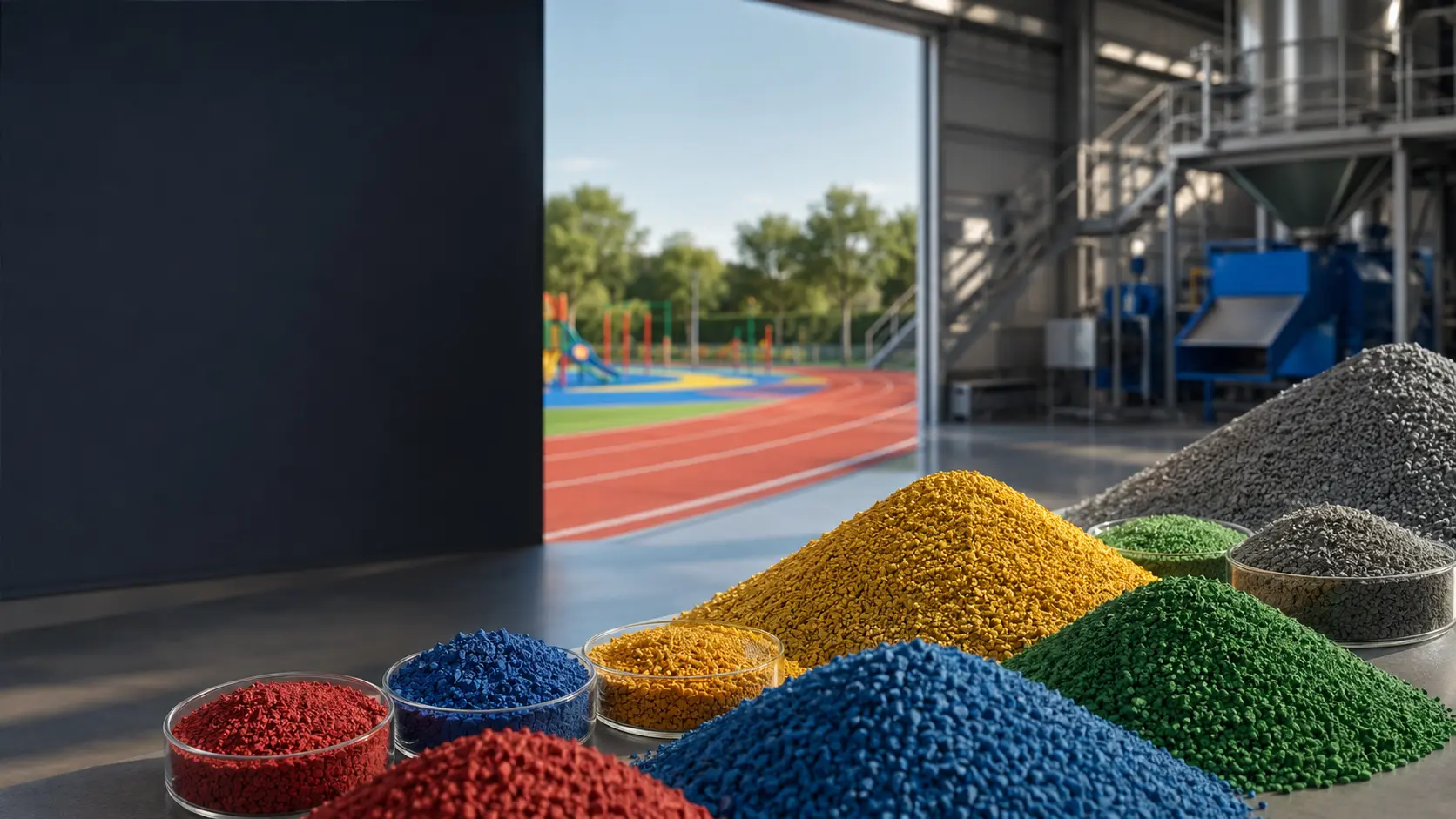
Buying EPDM granules is a specification decision, not only a price enquiry
International buyers often begin with one question: “What is your EPDM granules price?” A useful commercial answer requires more information. Particle size, color, formulation, quantity, packing, destination, Incoterm, requested documents and delivery program can all affect the offer and whether the material is appropriate for the intended surface.
Al-Shiekh Trade & Export presents this page as a buyer-focused route for international EPDM procurement. Contractors, importers, distributors and sports-surface installers can organize their requirements before requesting samples or a bulk quotation.
EPDM is commonly used in resilient outdoor surfacing. Colored granules may form the visible wear layer of wet-pour playgrounds, jogging paths, selected running-track systems and recreational flooring when mixed and installed as part of an approved system. Granules alone do not define the performance of the complete installed surface.
Where colored EPDM rubber granules are used
The application should lead the specification. Different projects can mention EPDM while requiring different system construction, thickness and performance criteria.
Wet-pour playground flooring
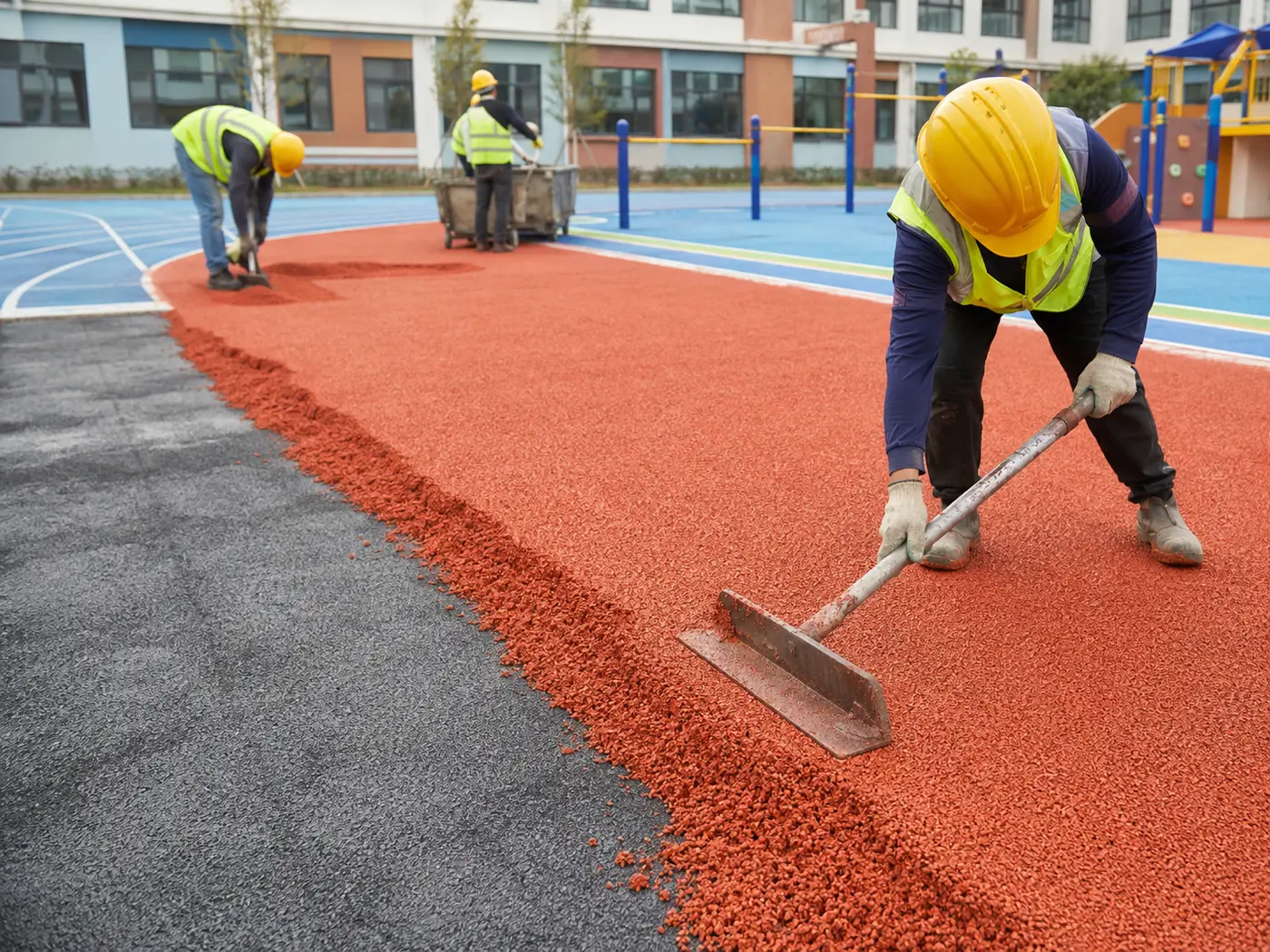
Colored EPDM granules are frequently used as the visible top layer of wet-pour playground systems. The complete build-up can include substrate preparation, drainage, primer, resilient base, colored wear layer and edge details. Safety performance depends on the complete designed and installed system rather than the granules alone.
Running tracks & jogging paths
EPDM granules can be used in selected track and jogging constructions. Professional athletics facilities may have defined performance requirements, while community paths may prioritize comfort, appearance and everyday recreation. The approved system should identify the granulation and compatible binder.
Sports & recreational flooring
Colored granules may also be considered for outdoor fitness zones, recreational areas, walking paths and landscape activity zones. Moisture, concentrated loads, maintenance, climate and drainage should be considered before the system is selected.
Projects that extend beyond the rubber layer can continue to the Sports Flooring & Padel section. For hard-court and running-surface alternatives, review Acrylic & Tartan Flooring.
What to confirm before ordering EPDM granules in bulk
Start with the exact offered product. Commercial use of the term EPDM can be broad, so the quotation should identify the material and relevant current product information. If the project requires a particular composition, test result or declaration, state that requirement before quotation.
Particle size influences texture, application and consumption. The required range should be consistent across the quotation, sample, packing identification and technical information.
Color should preferably be approved using a physical reference. Screens, lighting and camera processing can change perceived shades. Custom colors or blends may affect minimum quantity and production time.
Quantity should be calculated from the approved surface area, layer thickness, system consumption and justified waste allowance. Binder compatibility, site conditions and the approved installation method should also be confirmed before work begins.
International EPDM order checklist
| Item | Why it matters | What to confirm |
|---|---|---|
| Application | Different uses require different surface-system decisions. | Specification, drawing, BOQ or written scope. |
| Product identity | Commercial names alone do not establish equivalence. | Current quotation description and technical information. |
| Particle size | Granulation affects texture, mixing and coverage. | Labeled sample and matching order description. |
| Color / blend | Can affect production, quantity and batch planning. | Approved physical reference where practical. |
| Quantity | Changes production, packing and freight planning. | Net tons and justified allowance. |
| Packing | Affects handling, loading and landed cost. | Bag, pallet and net/gross information. |
| Destination / Incoterm | Defines commercial scope and logistics responsibilities. | Named place or port and agreed term. |
| Documents | Requirements differ by project and destination. | Approved document schedule before production. |
How professional buyers evaluate an EPDM granules offer
Granulation & cleanliness
Review whether the sample corresponds to the agreed particle range and appears free from unintended contamination. Formal acceptance criteria should follow the applicable project specification and test method.
Color consistency
Record the approved color reference and plan production batches for large projects. Keep labels and receiving records so colors and batches can be traced during installation.
Relevant documentation
Request the documents the project actually needs. Check product identity, date, issuing organization, test method and whether the evidence relates to the material being offered.
Marketing expressions such as premium, weather resistant or safe should not replace defined technical requirements. The finished performance of a playground or sports surface can depend on substrate, layers, thickness, binder, workmanship and testing. Samples, mock-ups and documentation should each have a defined approval purpose.
EPDM granules are one component of the finished rubber flooring system
The finished surface begins with a suitable substrate and drainage strategy. A wet-pour concept may combine a resilient base with a colored EPDM wear layer, but actual materials and thicknesses vary according to use and required performance.
Installation teams should control weighing, mixing, pot life, substrate condition, temperature, humidity, joints and curing protection. A representative mock-up can help align the owner, consultant and installer before large-area work begins.
For the broader category and related resilient systems, visit the Rubber Flooring section.
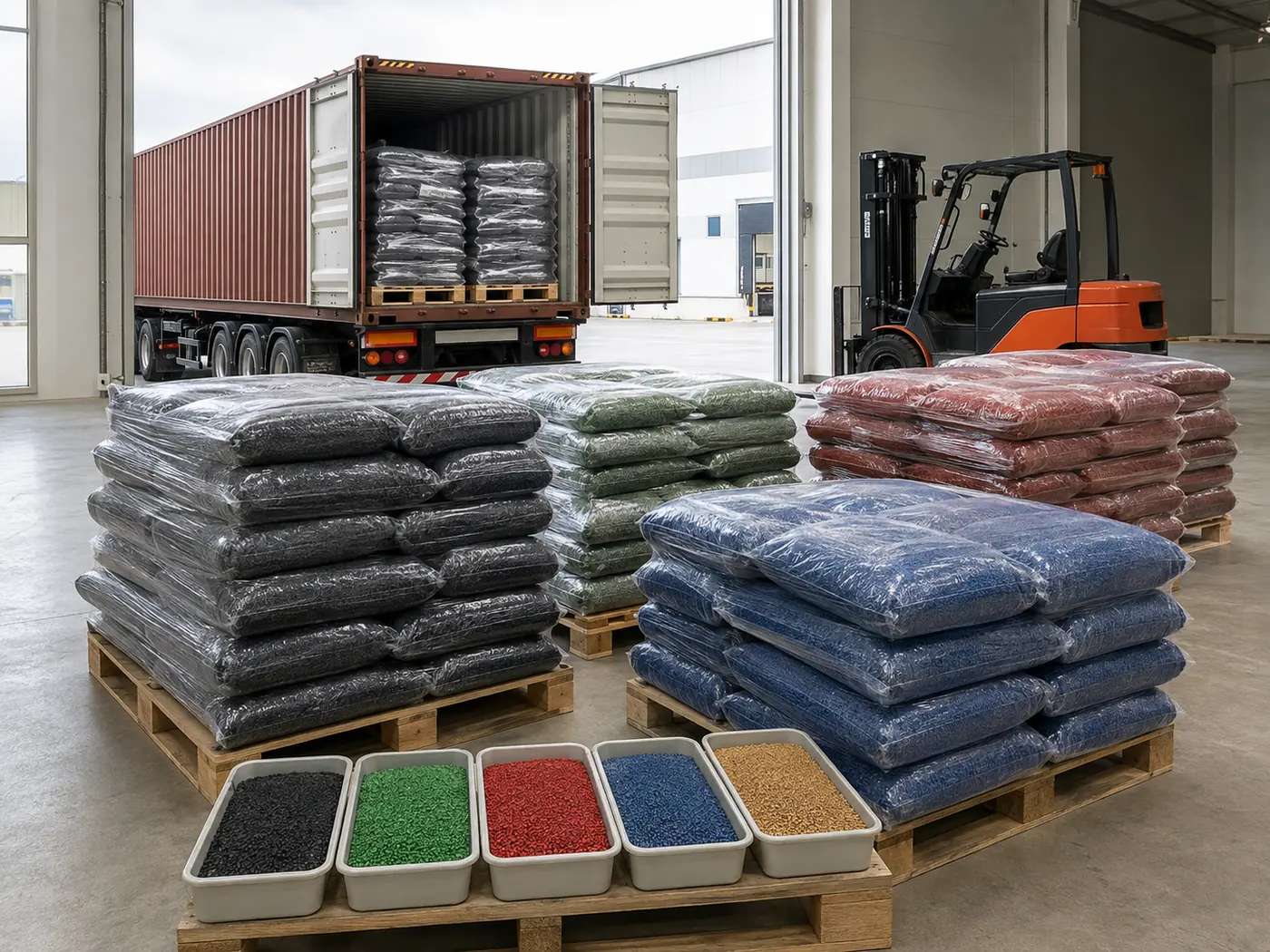
Packing and shipping EPDM granules to international markets
A complete export offer should explain how the confirmed order moves from specification to packing, documentation and dispatch.
Define the shipment
Confirm net quantity, bag weight, bag count, pallet arrangement where applicable, approximate gross weight and loading requirements.
Name the trade term precisely
State the selected Incoterm with the named place or port. EXW, FOB, CFR and CIF do not represent the same commercial scope.
Agree documents before production
Commercial and technical documents should be identified before production so requirements are not discovered immediately before dispatch.
Coordinate production and transit
Production lead time and carrier transit time are separate. Project planning should also allow for approval, booking, customs procedures and inland delivery.
Inspect receiving and storage
At destination, check package count, visible condition, labels and shipment documents, then store material sealed, clean, dry and identified according to current product instructions.
What determines EPDM granules price for bulk export?
There is no single universal EPDM price for every enquiry. The commercial offer can vary with formulation, particle size, color, quantity, number of colors, packing, production schedule, documentation, freight conditions, destination and Incoterm.
Compare offers on the same basis: product description, net quantity, granulation, color, packing, currency and delivery term. A lower EXW figure cannot be compared directly with a CIF quotation without normalizing the excluded logistics and handling costs.
How to evaluate an EPDM manufacturer, supplier or exporter
Prefer precise information
Clear product identity, limitations and quotation assumptions are more useful than broad claims such as “best quality” or “lowest price.”
Match evidence to the product
Technical evidence should relate to the offered product and the actual project requirement rather than being collected only for appearance.
Consider total procurement risk
Compare suitability, approval, packing, documentation, landed cost and schedule consequences—not only the lowest headline price.
For additional manufacturer-side information about sports-flooring products, buyers can also visit Sport Floor. Technical and commercial details should always be confirmed for the exact product and project under enquiry.
EPDM granules, installation and export preparation
All EPDM images supplied with the original article are retained below.
Where EPDM granules fit within Al-Shiekh Group
EPDM granules are part of the rubber flooring and sports-surface sector within Al-Shiekh Group. The group organizes this activity through connected specialist paths rather than presenting EPDM as an isolated product: rubber flooring covers the wider family of rubber-based products and resilient surfaces, while the sports-flooring sector connects those materials to playgrounds, running tracks, training areas and other sports applications.
For international buyers, Al-Shiekh Trade & Export coordinates product enquiries, quantities, packing, destination requirements and export communication. Sports-flooring and court requirements are connected to the wider sports activity within Al-Shiekh Group, so a buyer can move from a material such as EPDM granules to the relevant complete flooring or court category when the project requires more than raw material supply.
EPDM and rubber-flooring internal links
Frequently asked questions about EPDM granules supply & export
What are colored EPDM rubber granules?
They are colored particles based on an EPDM rubber formulation and used in resilient surfacing. In wet-pour systems they are commonly mixed with a compatible polyurethane binder as part of the visible wear layer.
What are EPDM granules used for?
Applications can include wet-pour playground flooring, jogging surfaces, selected running-track systems, recreational zones and other resilient outdoor surfaces, subject to the approved complete system.
Are EPDM and SBR granules the same?
No. EPDM and SBR refer to different rubber families. Some surface systems can use them in different layers, but the approved system determines the actual materials and construction.
Which EPDM particle size should I order?
Use the range required by the approved project or surface-system specification. Confirm the same size on the quotation, sample and relevant product documents.
Can custom colors or blends be supplied?
Availability depends on the current production capability, quantity and lead time. State the required reference and quantity when requesting a quotation.
How much EPDM is needed per square metre?
Consumption depends on layer thickness, granulation, system design, installation method and waste allowance. The installer or system provider should calculate the project quantity.
Can EPDM granules be exported internationally?
International supply can be reviewed according to availability, quantity, destination, shipping route, documents and agreed commercial terms.
Do EPDM granules alone guarantee playground safety?
No. Safety performance relates to the complete designed and installed surface, including the relevant layers, thickness, substrate, binder, workmanship and applicable testing.
Request an EPDM granules export quotation
Send the application, particle size, color, quantity, destination, preferred Incoterm and required documents so the commercial enquiry can be reviewed on a clear basis.