
Rubber Gym Flooring Tiles for Complete Gym Projects
Planning gym flooring involves more than selecting a rubber tile. Different areas of a fitness facility can face different loads, equipment, movement and impact conditions.
This guide helps gym owners, contractors, sports facilities and international buyers plan rubber flooring around the actual use of each zone. Al-Shiekh Trade & Export handles commercial enquiries for projects in Egypt and international export orders.
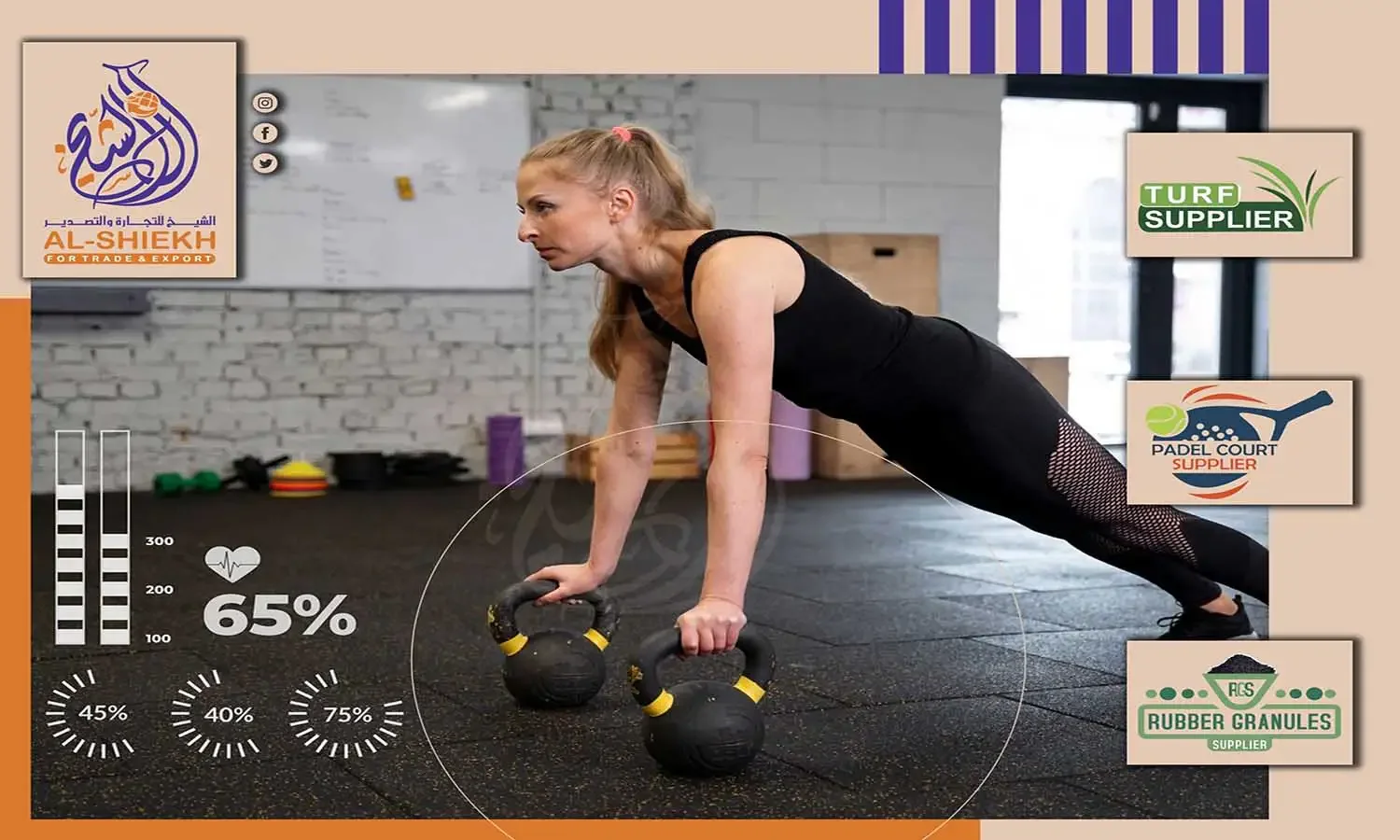
One Gym Can Need Different Flooring Solutions
A cardio area, machine zone and free-weight section do not necessarily place the same demands on the floor. Dividing the facility into functional zones makes it easier to evaluate the flooring requirement for each part of the project.
Free-Weight Areas
These areas should be evaluated around the expected weight activity, equipment, potential impact and the level of floor protection required.
Strength & Machine Areas
Consider equipment loads, equipment footprints, movement paths and the required stability of the flooring beneath machines.
Cardio Zones
Treadmills, bikes and other cardio equipment create a different operating environment from free-weight areas, so the flooring can be reviewed separately.
Functional Training Areas
Open training spaces may require flooring that works with repeated movement, exercise equipment and the intended training program.
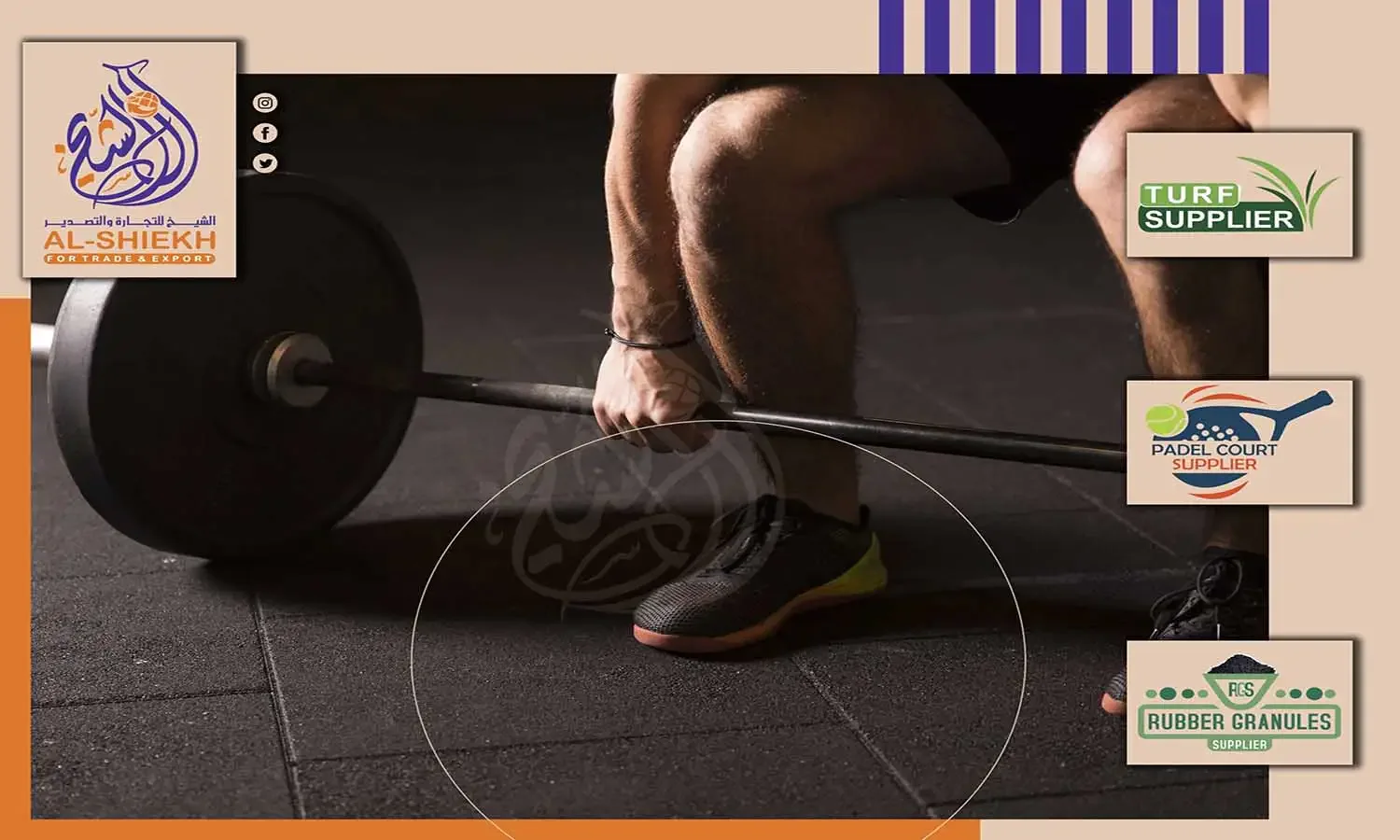
Start With the Actual Use of the Space
A useful gym-flooring specification begins with how the facility will operate rather than choosing a thickness from a generic chart.
- Identify which parts of the gym contain free weights and weightlifting.
- Map fixed machines, cardio equipment and open training spaces.
- Review the expected loads and impact conditions in each zone.
- Check the condition and type of the existing subfloor.
- Decide whether the project requires modular tiles, rubber rolls or a combination of flooring formats.
- Include project drawings, BOQs or consultant specifications when available.
Rubber Tiles or Rubber Rolls for a Gym?
Both formats can be considered for gym flooring. The decision depends on the project layout, required coverage, installation conditions and how the different spaces will be used.
| Project Factor | Rubber Tiles | Rubber Rolls |
|---|---|---|
| Floor Format | Individual modular flooring units | Continuous flooring supplied in roll format |
| Gym Zoning | Useful where modular sections suit the layout | Useful where wider continuous coverage is preferred |
| Joints | More individual tile joints | Fewer joints across large areas |
| Individual Section Access | A specific flooring section can be easier to access individually | The floor operates as a more continuous covering |
| Project Selection | The final choice should follow the project specification, area, subfloor, equipment and intended use. | |
Choosing Rubber Flooring Thickness for a Gym
The word “gym” alone is not enough to determine the correct thickness. Two facilities of the same size can have very different flooring requirements depending on their equipment and activities.
Thickness should be considered together with material characteristics, expected loads, impact, product format, installation conditions and the floor beneath the rubber system.
Training Type
General fitness, machines, free weights and functional training can place different demands on a flooring system.
Equipment & Weights
Consider fixed equipment as well as the type of weight activity expected within the area.
Existing Surface
The condition and construction of the underlying floor should be reviewed as part of the system.
Technical Requirements
Use consultant requirements, BOQs and product specifications when they are already defined for the project.
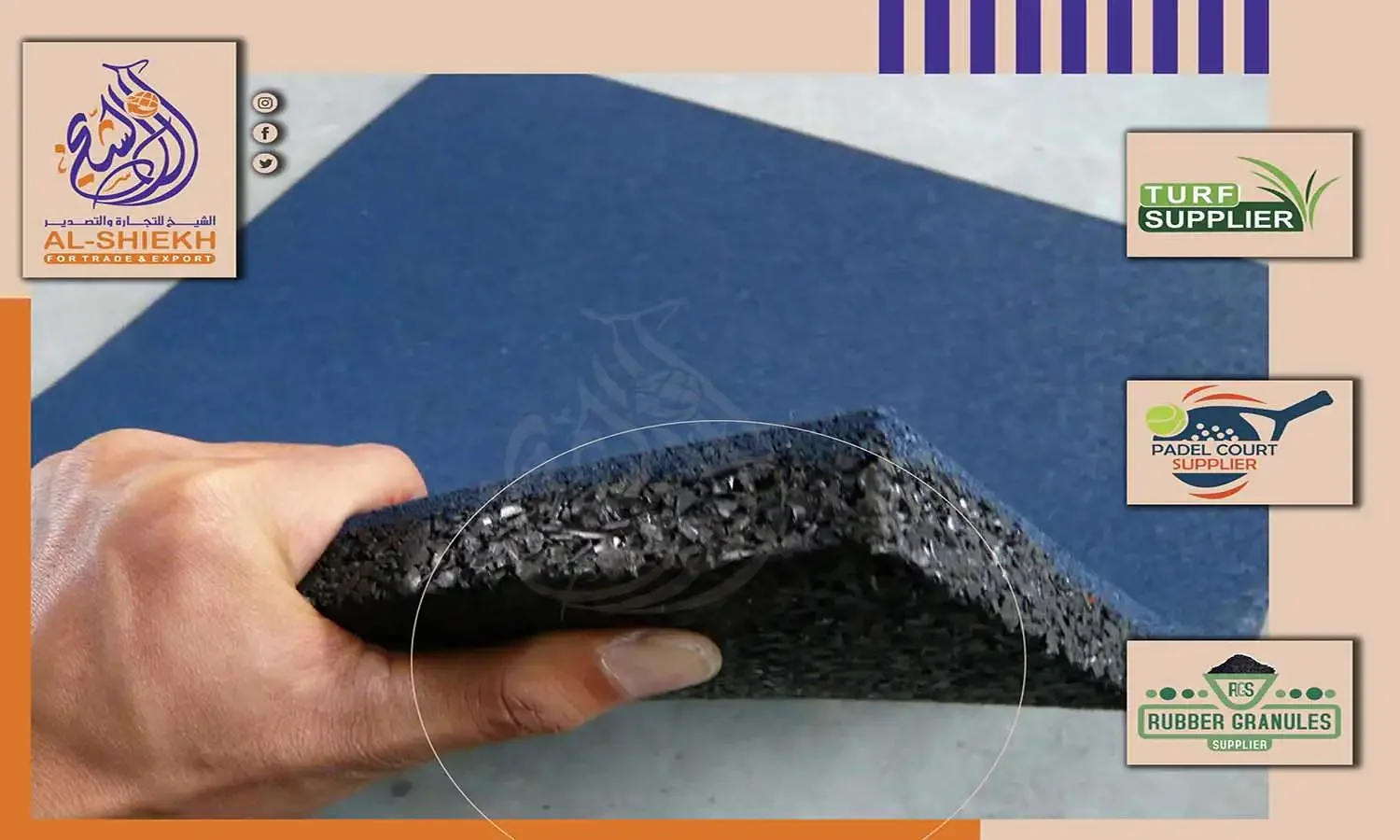
When Rubber Tiles Fit the Gym Layout
A modular tile system can be useful where the project layout benefits from separate flooring units and clearly defined training zones.
Defined Sections
Tiles can be arranged across specific areas according to the gym layout and selected product dimensions.
Different Areas
A modular system can help organize flooring around equipment and different functional zones.
Color Options
Black and colored options can be considered according to product availability and the visual requirements of the project.
Section Access
Individual flooring sections can be accessed separately when the selected tile system and installation method permit it.
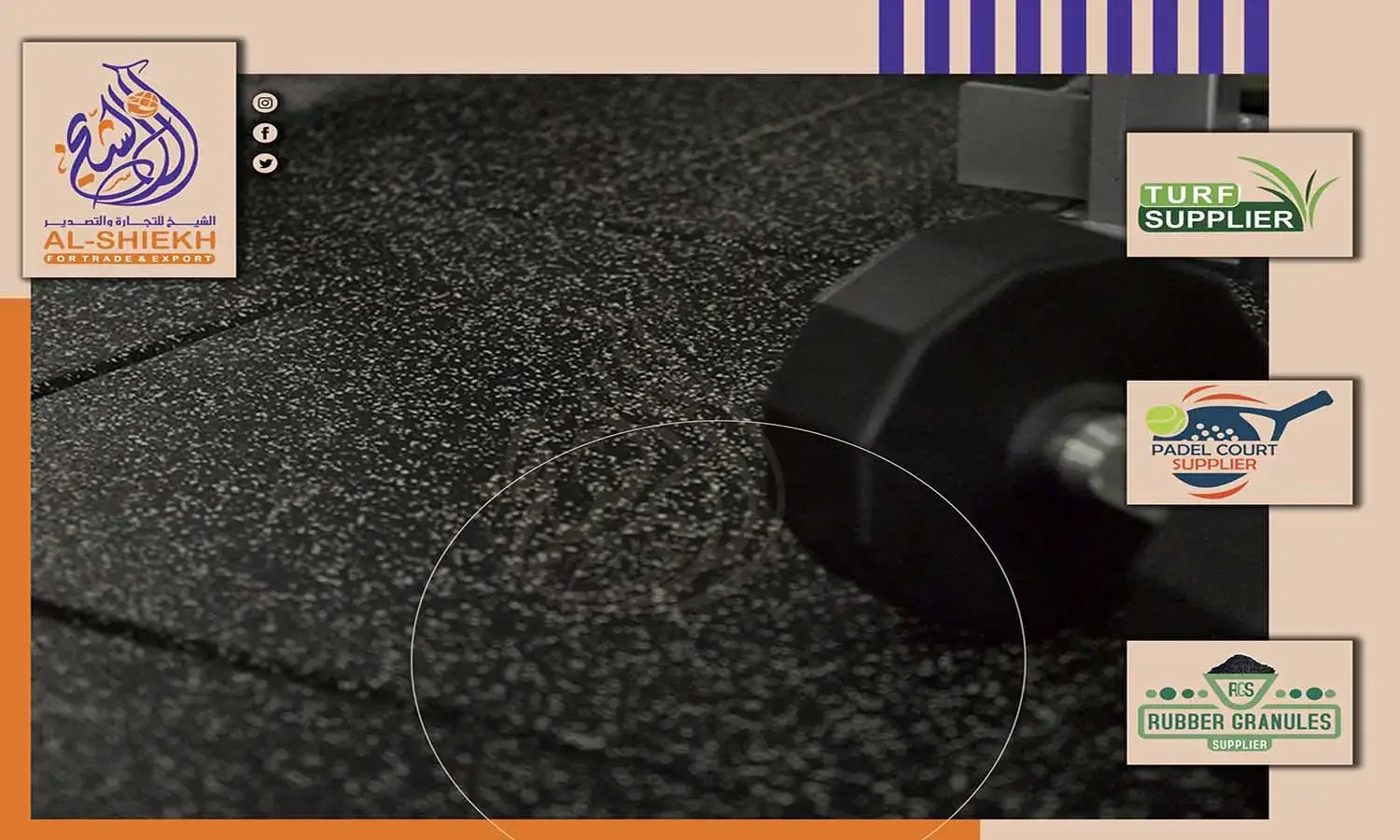
Rubber Flooring Across Different Training Areas
The flooring should be considered as part of the facility layout, not as one identical specification automatically applied to every zone.
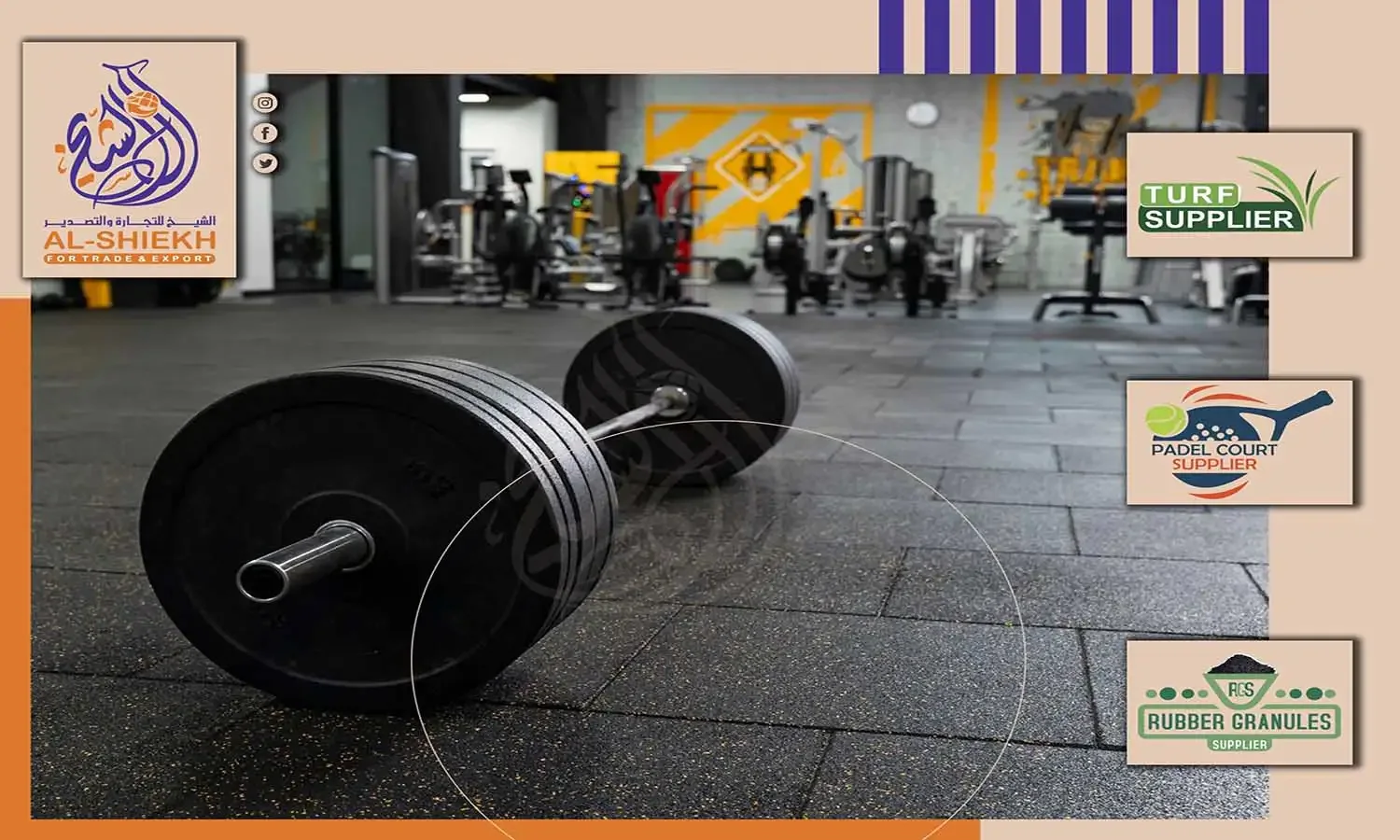
The Subfloor Is Part of the Flooring System
Rubber flooring should not be selected without considering the surface on which it will be installed. A project may require inspection and preparation before the selected flooring is placed.
- Measure the complete flooring area and each functional zone.
- Review the level and condition of the existing surface.
- Check for site conditions that could affect the installation.
- Plan cuts, borders, doorways and transitions.
- Follow the installation requirements of the selected product.
- Coordinate flooring around fixed gym equipment where required.
The installation method should follow the actual product and site conditions rather than assuming every rubber tile or roll is installed in exactly the same way.
Information Needed for a Gym Flooring Quote
Whether the project is in Egypt or the flooring is being sourced for export, send enough information to identify the actual commercial and technical requirement.
| Requirement | Information to Send |
|---|---|
| Project Type | Commercial gym, fitness center, club, training facility or other application |
| Floor Area | Total square meters and, where possible, the area of each gym zone |
| Activities | Free weights, machines, cardio, functional training or mixed use |
| Product Format | Rubber tiles, rolls or request for the appropriate available option |
| Specification | Required thickness, dimensions, color or other defined requirements |
| Project Location | City/governorate for an Egypt project or destination country for export |
| Technical Documents | BOQ, drawings, data sheets or consultant requirements when available |
Rubber Gym Flooring for Local and Export Projects
Al-Shiekh Trade & Export handles enquiries for rubber gym flooring requirements in the Egyptian market as well as international commercial orders.
Projects in Egypt
Gym owners, contractors, clubs and companies can send the project location, area and required flooring specifications.
Export Orders
Importers, contractors and project buyers can send the required product, quantity, specifications and destination country.
BOQ & Drawings
When available, project documents help define the requested flooring system and commercial scope more clearly.
Export from Egypt
International buyers can explore Al-Shiekh's export activity from Egypt and related commercial sectors.
Continue Through the Rubber Flooring Sector
Choose the relevant page according to whether you are planning a full flooring system, selecting a specific rubber product or sourcing material for another application.
Rubber Gym Flooring FAQ
Should every area of a gym use the same rubber flooring?
Not necessarily. Free-weight areas, machine zones, cardio areas and functional training spaces can have different flooring requirements. The specification should reflect the actual use and conditions of each area.
Should I choose rubber tiles or rubber rolls for my gym?
Rubber tiles provide a modular flooring format, while rubber rolls provide more continuous coverage with fewer joints. The appropriate choice depends on the gym layout, project specification, installation conditions and intended use.
How do I choose the thickness of rubber gym flooring?
Thickness should be selected according to the type of activity, equipment, expected loads and impact, subfloor conditions and the requirements of the selected flooring product. There is no single thickness that is automatically suitable for every gym.
What information is useful when planning gym flooring?
Useful information includes the total floor area, gym zones, equipment, weight activity, subfloor condition, preferred flooring format and any available BOQ, drawings or consultant specifications.
Can I request rubber gym flooring for a project in Egypt?
Yes. For projects in Egypt, send the project location, required area, intended applications and available technical specifications for a commercial enquiry.
Can rubber gym flooring be supplied for export?
Yes. International buyers can send the required flooring product, quantity, specifications and destination country to Al-Shiekh Trade & Export for an export supply enquiry.
Do you accept BOQs and project specifications?
Yes. Contractors, companies and project buyers can include BOQs, drawings, data sheets and consultant specifications when available so the requested flooring scope can be reviewed more clearly.
Planning a Gym Flooring Project?
Send the project area, gym zones, intended activities, required flooring format and specifications when available. For projects in Egypt, include the project location. For international orders, include the destination country and required commercial quantity.